Ladybugs, those charming little beetles that often grace our gardens, are more than just a pretty sight. With their vibrant red bodies and distinctive black spots, they capture the hearts of many nature enthusiasts. But what lies beneath this colorful exterior? What do ladybugs really eat? Understanding their diets opens a window into the fascinating world of these beneficial insects. Whether you’ve spotted them crawling on your plants or have heard tales about their role in pest control, there’s much to discover about what fuels these delightful critters. Let’s dive deeper into the diet of ladybugs and unravel some intriguing facts!
The Truth About Ladybug Diets
Ladybugs are often celebrated for their vibrant colors and charming appearance. However, what many people don’t realize is that these beetles have a specific diet that’s crucial to their survival.
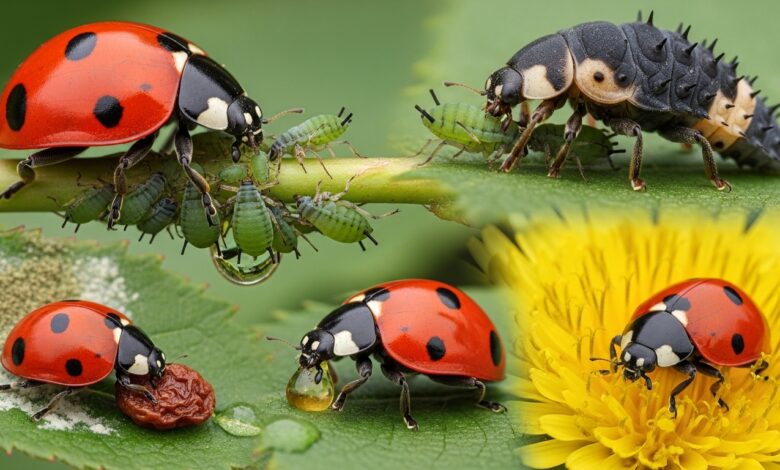
While they might look cute, ladybugs are voracious predators. Their primary food source consists of aphids—tiny pests that can wreak havoc on gardens. One ladybug can consume up to 50 aphids in a single day. This makes them invaluable allies for gardeners seeking natural pest control.
But it’s not just adults who benefit from this diet; the larvae also play a significant role in keeping pest populations under control. They eat similar prey and contribute significantly to the ecosystem’s balance by targeting harmful insects.
Interestingly, some species of ladybugs will even munch on pollen and nectar when other food sources are scarce, showcasing their adaptability in various environments.
What Do Adult Ladybugs Eat?
Adult ladybugs primarily feast on aphids. These tiny pests are a favorite snack, making ladybugs valuable allies for gardeners looking to control infestations naturally.
In addition to aphids, they also consume other soft-bodied insects like mites and whiteflies. This varied diet helps keep ecosystems balanced and healthy.
Some species of ladybugs enjoy pollen and nectar as well. While not their main source of nourishment, these plant-based options provide essential nutrients.
Interestingly, adult ladybugs can adapt their eating habits based on food availability. They are opportunistic feeders who will switch their diet if needed, showcasing their resilience in different environments.
When resources are scarce, they might even resort to cannibalism! It’s a fascinating survival tactic that underscores the complexity of these colorful beetles’ diets.
What Do Ladybug Larvae Eat?
Ladybug larvae have quite the appetite. Unlike their adult counterparts, which are often seen perched on plants, these young beetles are voracious predators.
Their primary diet consists of aphids. These tiny pests are abundant in gardens and provide a rich source of nutrients for growing larvae. A single ladybug larva can consume dozens of aphids each day, making them excellent allies for gardeners battling pest problems.
In addition to aphids, ladybug larvae also munch on other soft-bodied insects like spider mites and whiteflies. This diverse diet helps them gain strength as they prepare for adulthood.
Interestingly, their eating habits play a crucial role in managing pest populations naturally. By feasting on harmful insects, ladybug larvae contribute significantly to ecological balance while ensuring their own survival during this critical growth stage.
How Much Do Ladybugs Eat?
Ladybugs are surprisingly voracious eaters, especially when it comes to aphids. An adult ladybug can consume up to 50 aphids in a single day. That’s quite an appetite for such small creatures!
The amount they eat often depends on their life stage and environmental conditions. For instance, during warmer months, they may feast more frequently due to increased insect populations.
Larvae have their own food preferences and tend to munch on softer-bodied pests as well. They can devour around 400 aphids before pupating.
In times of scarcity, ladybugs might adjust their diets or even enter a state of dormancy until food becomes available again. This adaptability is crucial for survival in varying habitats.
Understanding how much ladybugs eat helps emphasize their importance in natural pest control. Their diet not only benefits them but also contributes significantly to garden health.
Role of Diet in Ladybug Lifespan and Reproduction
The diet of ladybugs plays a crucial role in their lifespan and reproductive success. A nutritious intake directly influences their overall health. When they feast on aphids or other soft-bodied insects, they gain essential energy and nutrients.
High-quality food not only supports growth but also enhances reproductive capabilities. Female ladybugs that consume ample prey tend to lay more eggs, increasing the chances of successful offspring development.
Conversely, a poor diet can lead to shorter lifespans and lower fertility rates. Starvation or lack of adequate nutrition might reduce their resilience against predators or environmental stressors.
Additionally, proper dietary habits help ladybugs thrive in different habitats. Those who adapt well by finding suitable food sources often enjoy longer lives in various ecosystems. Their ability to find nourishment is key to sustaining populations across landscapes.
Conclusion
Ladybugs are fascinating creatures with a diverse diet that plays a significant role in their lives. These colorful beetles not only provide beauty to our gardens but also serve as effective natural pest controllers. Whether it’s the adult ladybug snacking on aphids or its larvae devouring even more of these pests, it’s clear that they have a voracious appetite for insects.
Understanding what ladybugs eat helps us appreciate their role in ecosystems. Their diets not only affect their own lifespans and reproductive success but can also influence plant health by keeping harmful insect populations in check.
So next time you spot one of these charming beetles, remember that they’re not just cute little bugs; they’re efficient predators contributing to the balance of nature’s food web. By fostering an environment where ladybugs thrive, we can enhance both biodiversity and crop health while enjoying the sight of these delightful insects at work.