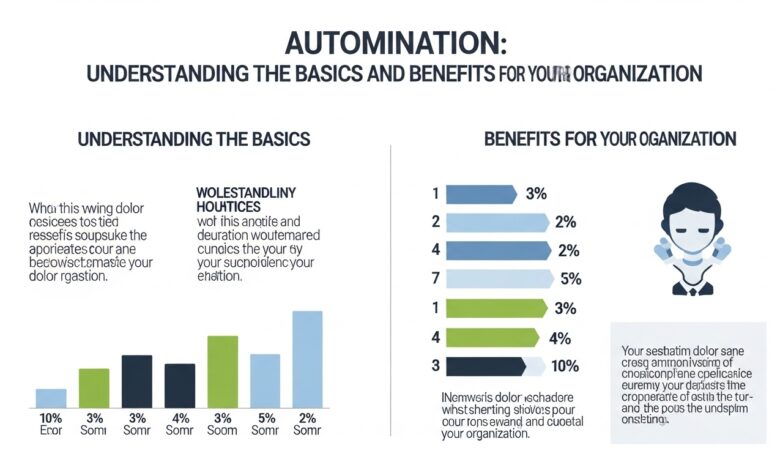
In today’s fast-paced business world, efficiency and productivity are key to staying ahead of the competition. Enter automination—a term that might sound futuristic but is quickly becoming a cornerstone for modern organizations. As companies grapple with increasing demands and limited resources, understanding how to leverage automination can transform operations in ways previously thought impossible.
Imagine a scenario where repetitive tasks are handled seamlessly, freeing up valuable time and allowing your team to focus on what truly matters: innovation and growth. This isn’t just wishful thinking; it’s the reality that many businesses are beginning to embrace as they explore the robust potential of automination. Let’s dive deep into this exciting concept, unravel its benefits, and discover how you can implement it within your organization for maximum impact.
The Difference Between Automation and Automination
Automation and automination are often used interchangeably, but they represent distinct concepts.
Automation refers to the use of technology to perform tasks without human intervention. It streamlines processes, reduces errors, and saves time by executing repetitive activities efficiently.
Conversely, automination takes it a step further. It combines automation with intelligent decision-making capabilities. This means not only performing tasks automatically but also learning from data inputs and adapting accordingly.
Where automation might simply follow preset rules, automination involves an ongoing process of improvement and adaptation based on real-time information.
This nuanced difference allows organizations to achieve higher levels of efficiency while remaining flexible in their operations. By embracing both elements strategically, businesses can better navigate complex environments and drive growth effectively.
Advantages of Automination for Businesses
Automination brings a fresh approach to enhancing business operations. By integrating automated processes with intelligent systems, organizations can achieve remarkable efficiency.
One of the key advantages is increased productivity. Tasks that once required significant time and manual effort can now be completed swiftly. Employees can redirect their focus to more strategic activities, boosting overall output.
Cost savings also play a crucial role. Automination reduces labor costs associated with repetitive tasks while minimizing errors that could lead to financial losses.
Furthermore, it enhances accuracy and consistency in operations. Automated systems follow precise instructions without deviation, leading to improved quality control across products and services.
The agility of automination allows companies to adapt quickly to changing market demands. Organizations can easily scale their processes up or down based on current needs, ensuring they remain competitive in an ever-evolving landscape.
Examples of Successful Automination Implementation
Numerous organizations have embraced automination, leading to remarkable transformations. For instance, a major retail chain utilized automination to streamline its inventory management. By integrating AI-driven tools, they achieved real-time tracking of stock levels, reducing overstock and understock situations.
In the healthcare sector, a hospital implemented automination for patient scheduling. This system improved appointment accuracy and reduced patient wait times significantly. The staff could focus on providing better care rather than managing tedious scheduling tasks.
A financial services firm also reaped rewards by automating its compliance processes. With automated monitoring systems in place, they minimized human error and ensured adherence to regulatory requirements effortlessly.
These examples illustrate how diverse industries are harnessing the power of automination to enhance efficiency while fostering growth and innovation within their operations.
Challenges and Solutions for Implementing Automination
Implementing automination can present several challenges. One major hurdle is resistance from employees. People may feel threatened by new technologies or fear changes in their job roles.
To tackle this, organizations should prioritize communication. Educating the workforce about the benefits of automination fosters a culture of acceptance and collaboration.
Another common issue lies in integration with existing systems. Legacy software might not be compatible with new tools, causing disruptions.
Adopting a phased approach can ease this transition. Gradually introducing automination allows time for adjustments without overwhelming staff or processes.
Data security is also a significant concern when implementing automation solutions. Protecting sensitive information requires robust security measures and regular updates to technology protocols.
Investing in training sessions helps equip teams with the skills needed to navigate these newly automated environments confidently, ensuring smooth operation moving forward.
How to Get Started with Automination in Your Organization
To kickstart automination in your organization, begin by identifying repetitive tasks. Look for processes that consume significant time and resources without adding much value.
Next, engage your team in brainstorming sessions. Their insights can uncover opportunities for automination that you might overlook. Foster an environment where creativity thrives.
Once you’ve pinpointed tasks to automate, research tools and technologies available in the market. Choose solutions that align with your goals and are user-friendly for seamless integration.
Pilot a small-scale project first. This allows you to test assumptions before rolling out widescale changes across departments. Monitor feedback closely; it’s vital for refining the process.
Invest in training sessions for employees on new systems or tools introduced through automination. Empowering staff will maximize adoption rates and enhance overall productivity within your organization.
Conclusion
As organizations navigate the complexities of modern business, understanding automination can be a game changer. Emphasizing not just the automation of tasks but also enhancing decision-making processes through data analysis and human input leads to more efficient operations.
The advantages are clear: improved productivity, better resource management, and enhanced customer satisfaction. Companies that embrace this approach often see significant returns on investment.
While challenges exist—such as resistance to change or initial costs—solutions are available. With proper training and communication strategies in place, teams can transition smoothly into an autominated environment.
Starting with small projects allows your organization to test the waters before diving deeper. As you assess your needs and capabilities, consider how automination could transform your workflows for the better.
Harnessing this powerful tool is about more than just keeping up with trends; it’s about creating a smarter future for your organization.