Navigating the world of education can be both exciting and overwhelming. For students and educators alike, assessments play a crucial role in measuring progress and understanding strengths and weaknesses. Among these assessments, NTA testing has emerged as a vital tool for gauging academic performance. But what exactly does this mean for students preparing to take these tests? And how can teachers best support them on their journey? Whether you’re an educator looking to enhance your teaching strategies or a student eager to excel, diving into the ins and outs of NTA testing will equip you with valuable insights that pave the way for success. Let’s explore this essential aspect of education together!
What is NTA Testing?
NTA testing, or National Testing Agency assessment, is a standardized evaluation used primarily in educational settings. Designed to measure students’ knowledge and skills, these tests cover various subjects and academic levels.
The primary aim of NTA testing is to ensure fairness and transparency in the evaluation process. By assessing students uniformly across different regions, it provides an equal opportunity for all candidates.
These assessments are often utilized for college admissions, scholarships, and other academic advancements. Many institutions rely on NTA scores to gauge a student’s readiness for higher education.
In addition to evaluating knowledge retention, NTA testing encourages critical thinking and problem-solving abilities. This holistic approach helps identify not just what students know but how well they can apply their understanding in real-world contexts.
The Benefits of NTA Testing for Students
NTA testing offers numerous advantages for students that extend beyond academic performance. One key benefit is the ability to identify individual learning strengths and weaknesses. This insight allows educators to tailor instruction, ensuring each student receives support where it’s needed most.
Additionally, NTA tests promote a growth mindset among learners. When students understand their progress through these assessments, they become more motivated to improve and reach their full potential.
Collaboration is another positive aspect of NTA testing. Students often engage in group studies or discussions based on test results, fostering teamwork and communication skills.
Moreover, familiarity with standardized testing formats through NTA can reduce anxiety during future exams. As students gain experience in this environment, they develop confidence in their abilities.
These benefits contribute not just to academic success but also to personal development throughout a student’s educational journey.
Tips for Educators to Prepare Students for NTA Tests
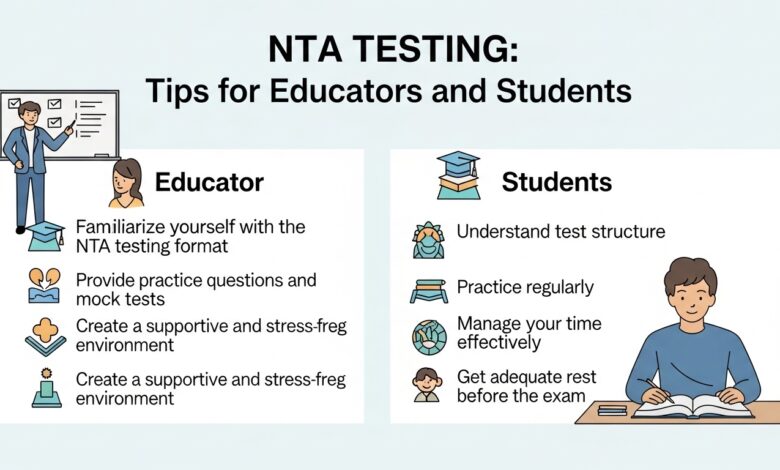
Prepare students early. Start by introducing the NTA testing format and its purpose. Familiarity breeds confidence.
Integrate practice tests into regular lessons. This helps students acclimate to test conditions while reinforcing their knowledge.
Provide targeted feedback on their performance. Identify strengths and areas for improvement, allowing students to focus their study efforts effectively.
Encourage group study sessions. Collaboration fosters a supportive learning environment where students can share insights and strategies.
Establish a routine leading up to the test date. Consistent review schedules help reduce anxiety and enhance retention of material.
Emphasize the importance of healthy habits during preparation weeks—adequate sleep, balanced nutrition, and physical activity contribute significantly to cognitive function during exams.
Strategies for Students to Ace NTA Tests
Effective preparation is key for students aiming to excel in NTA testing. Start by familiarizing yourself with the test format. Understanding question types can significantly reduce anxiety on exam day.
Create a study schedule that allocates time for each subject. Consistent review helps reinforce knowledge and aids retention. Break subjects into manageable chunks; this makes studying less overwhelming.
Practice with past papers or sample tests. This not only boosts confidence but also highlights areas needing improvement.
Incorporate active learning techniques, such as teaching concepts to peers or discussing topics in study groups. Engaging with material enhances understanding and recall.
Don’t underestimate the power of rest and nutrition during your prep phase. A well-rested mind processes information better, so prioritize sleep before the exam day for optimal performance!
How to Analyze and Use NTA Test Results
Analyzing NTA test results effectively is crucial for both educators and students. Start by reviewing overall performance trends. Look for patterns in scores across different subjects or areas of knowledge.
Next, identify strengths and weaknesses. This can guide targeted interventions to help students improve specific skills. For instance, if a student excels in math but struggles with reading comprehension, tailored support can make a significant difference.
Sharing results with students fosters ownership of their learning journey. Encourage them to reflect on the outcomes, set goals, and develop plans for improvement.
Additionally, consider using this data to inform teaching strategies. Adjust your curriculum based on collective class performance insights so that you cater better to diverse learning needs.
Keep an open dialogue among educators about interpreting these results. Collaborative discussions can lead to innovative approaches that enhance the educational experience for everyone involved.
Challenges with NTA Testing and How to Overcome Them
NTA testing presents several challenges that educators and students must navigate. One common issue is test anxiety among students. The pressure to perform well can hinder their ability to showcase their true potential.
Another challenge is the varying levels of preparedness among students. Not every student has access to the same resources, leading to disparities in performance. This gap can be discouraging for those who feel left behind.
To combat these issues, it’s essential for educators to create a supportive environment. Encourage open discussions about test anxieties, allowing students to express their concerns without judgment.
Providing additional resources, such as study guides or tutoring sessions, can level the playing field. Regular practice tests also help familiarize students with the format and reduce uncertainty on exam day.
By addressing these challenges head-on, both teachers and learners can foster a more positive experience around NTA testing.
Conclusion: The Importance of NTA Testing in Education
NTA testing plays a crucial role in education today. It provides valuable insights into student learning and performance, helping educators tailor their teaching methods to meet individual needs. This approach not only enhances student engagement but also fosters a deeper understanding of the material.
For students, these tests serve as an opportunity to showcase their knowledge and skills. They encourage self-reflection and personal growth by highlighting areas for improvement. NTA testing can motivate students to take ownership of their learning journey.
Moreover, analyzing NTA test results equips teachers with data that supports effective instructional planning. This leads to better educational strategies that ultimately benefit all learners.
While challenges exist in implementing NTA testing, such as test anxiety or unequal access to resources, they can be addressed through thoughtful preparation and support systems.
Embracing NTA testing is essential for fostering an environment where both educators and students thrive academically. It’s about recognizing potential and striving for continuous improvement within the educational landscape.