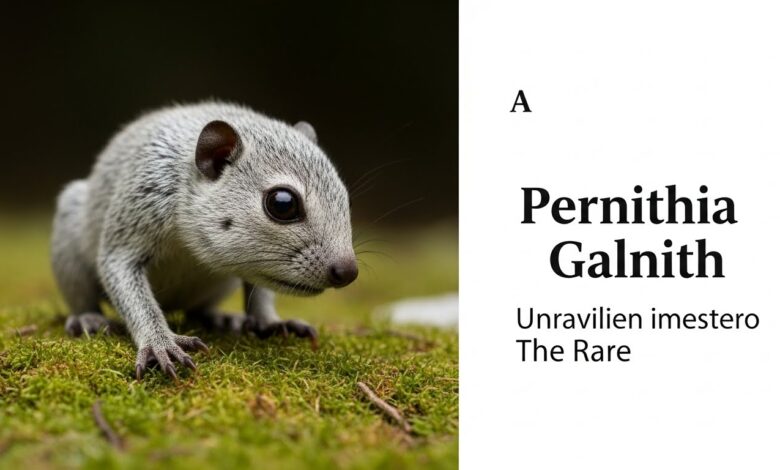
Deep in the heart of an uncharted ecosystem exists a creature so rare that it has captivated scientists and nature enthusiasts alike: the pernithia galnith. With its striking features and enigmatic behaviors, this elusive species is more than just a subject for research; it’s a symbol of nature’s wonders waiting to be explored. As we delve into the mysteries surrounding pernithia galnith, we’ll uncover not only its fascinating history but also its unique adaptations and the challenges it faces in today’s rapidly changing world. Join us on this journey to understand why preserving such extraordinary life forms is crucial for our planet’s health and diversity.
History and Discovery of Pernithia Galnith
The history of Pernithia Galnith is as intriguing as the species itself. First discovered in a remote rainforest, its existence remained largely unknown until researchers stumbled upon it during an expedition in 2003.
The initial sighting created quite a buzz within the scientific community. This species quickly captured the fascination of biologists and ecologists alike due to its unique traits and elusive nature.
Over the years, more detailed studies have revealed incredible insights into its behaviors and ecology. Scientists have dedicated countless hours to understanding how this rare creature interacts with its environment.
As research continues, each new finding adds another layer to our comprehension of Pernithia Galnith’s role in biodiversity. The journey from obscurity to recognition has propelled it onto conservationists’ radar, emphasizing the need for ongoing exploration and protection efforts.
Physical Characteristics and Unique Adaptations
Pernithia Galnith boasts a striking appearance that sets it apart from other species. Its iridescent scales shimmer in various colors, adapting to its surroundings for camouflage. This remarkable trait helps it evade predators effectively.
The body of Pernithia Galnith is slender and elongated, allowing for agile movement through dense foliage. Unique limb structures provide excellent grip on uneven surfaces, making climbing a breeze.
One of its most fascinating adaptations is the ability to change skin texture. When threatened, this creature can alter its surface to mimic rough bark or smooth leaves, enhancing stealth during encounters with potential threats.
Additionally, Pernithia Galnith has specialized glands that produce subtle pheromones. These chemical signals play a crucial role in communication and mating rituals within their habitat. The combination of these physical traits ensures survival in challenging environments while captivating researchers and nature enthusiasts alike.
Habitat and Distribution of Pernithia Galnith
Pernithia galnith thrives in a unique and delicate ecosystem. This rare species is primarily found in the lush, tropical rainforests of South America. The dense canopy provides essential shelter from predators and harsh weather conditions.
These creatures prefer areas rich in biodiversity, often residing near freshwater sources like rivers and streams. The availability of clean water plays a crucial role in their survival.
Their distribution is limited, making them vulnerable to habitat loss caused by human activities such as deforestation and urban development. As forests are cleared for agriculture or logging, pernithia galnith faces increasing challenges.
Conservationists stress the importance of protecting these habitats to ensure the species can thrive. Preserving their natural environment not only benefits pernithia galnith but also promotes overall ecological health within their region.
Threats to the Species
Pernithia galnith faces numerous threats that jeopardize its survival. Habitat loss is a primary concern, driven by urban development and agricultural expansion. These activities fragment their living spaces, making it difficult for populations to thrive.
Pollution poses another significant risk. Contaminants from nearby industries can seep into their habitats, disrupting ecological balance. This not only affects the species but also the entire ecosystem they inhabit.
Climate change further complicates matters. Altered weather patterns and rising temperatures affect food availability and breeding cycles. As conditions shift, pernithia galnith struggles to adapt quickly enough.
Additionally, invasive species compete for resources or introduce new diseases that native populations may lack immunity against. Each of these factors contributes to the precarious existence of pernithia galnith in an ever-changing world where every small impact counts significantly toward its future.
Conservation Efforts for Pernithia Galnith
Conservation efforts for Pernithia galnith have gained momentum in recent years. Various organizations are collaborating to monitor and protect this elusive species. Field studies help researchers understand its behavior and habitat requirements.
Habitat restoration initiatives play a crucial role in safeguarding the environment where Pernithia galnith thrives. By focusing on reforestation and the removal of invasive species, these projects enhance the ecosystem’s health.
Community engagement is also vital. Local populations are educated about the importance of preserving biodiversity, which includes understanding how their actions impact Pernithia galnith’s survival.
Fundraising campaigns support research activities aimed at better comprehension of this rare organism. The involvement of citizen scientists further enriches data collection, creating a broader knowledge base for future conservation strategies.
Collaboration across borders fosters an exchange of ideas and resources that strengthens global efforts to ensure a future for Pernithia galnith.
Future Research and Discoveries
Future research on Pernithia Galnith holds immense potential. Scientists are eager to uncover more about its elusive behaviors and ecological role.
Innovative technologies, like remote sensing and genetic analysis, can provide deeper insights into this species. These tools will help researchers track population dynamics and understand its interactions with other organisms in the ecosystem.
Moreover, studying how climate change impacts Pernithia Galnith might reveal vulnerabilities we have yet to identify. This knowledge is critical for informed conservation strategies.
Collaborations among international scientists can lead to exciting discoveries as well. Sharing findings across borders amplifies efforts in understanding the complexities surrounding this rare species.
New expeditions may also be planned, targeting unexplored regions of its habitat. Each venture promises fresh data that could revolutionize our perception of Pernithia Galnith’s biology and adaptability in a changing world.
Conclusion: The Importance of Protecting Rare Species like Pernithia Galnith
Protecting rare species like Pernithia galnith is crucial for maintaining biodiversity and ecological balance. Each unique organism plays a specific role in its ecosystem, contributing to the overall health of our planet. The loss of even one species can have far-reaching effects on food webs, habitat stability, and environmental resilience.
Conservation efforts are vital not only for protecting Pernithia galnith but also for preserving the delicate ecosystems it inhabits. Educating communities about the importance of these species fosters appreciation and support for conservation initiatives.
As research continues to uncover more about Pernithia galnith’s behaviors, habitats, and interactions within its environment, we gain valuable insights that can inform effective protection strategies. Every effort counts when it comes to safeguarding our natural world.
Taking action now ensures that future generations will have the opportunity to marvel at this rare species along with countless others that share our planet. By championing conservation measures today, we contribute to a healthier ecosystem tomorrow where all forms of life can thrive together harmoniously.