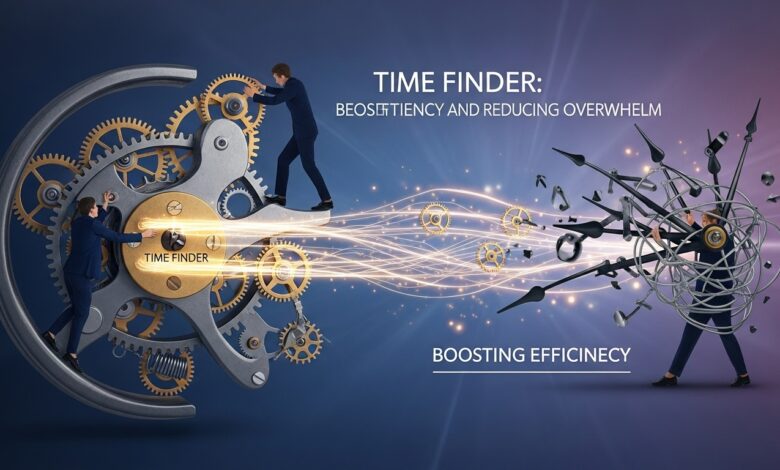
Time management is more than just a buzzword; it’s a crucial skill for navigating the hustle and bustle of modern life. We all have 24 hours in a day, but how we use that time can make all the difference. Finding the sweet spot between being efficient and avoiding overwhelm isn’t always easy. Many of us struggle to juggle work, family, and personal commitments while trying to carve out moments for ourselves.
The quest for balance often leaves us feeling stressed or stretched too thin. The good news is that becoming your own “time finder” can transform chaos into clarity. With some practical strategies up your sleeve, you can take control of your schedule and enhance productivity without sacrificing well-being. Ready to explore what effective time management looks like? Let’s dive in!
The importance of finding a balance between efficiency and overwhelm
Finding the right balance between efficiency and overwhelm is crucial for maintaining a healthy mindset. When you push too hard to be productive, burnout can quickly follow. This affects not only your work but also your personal well-being.
Efficiency often means getting more done in less time. However, it can lead to feelings of pressure that cloud judgment and creativity. It’s easy to get caught up in the rush, losing sight of what truly matters.
On the other hand, feeling overwhelmed can paralyze progress. Tasks pile up, leading to stress and anxiety. In this state, even simple decisions feel monumental.
Striking a balance allows you to remain productive while keeping your mental health intact. Embracing both productivity and serenity leads to a more fulfilling experience in life’s daily demands.
Common challenges in managing time effectively
Managing time effectively comes with its own set of challenges. One major hurdle is procrastination. It creeps in when tasks seem overwhelming or uninteresting, leading to a cycle of stress and missed deadlines.
Another common issue is poor prioritization. Many people struggle to distinguish between urgent and important tasks, often getting caught up in busywork instead of focusing on what truly matters.
Distractions also play a significant role. In our hyper-connected world, notifications from smartphones and social media can easily divert attention from critical tasks.
Additionally, lack of clear goals can hinder progress. Without specific objectives, it’s easy to drift through the day without accomplishing anything meaningful.
Overcommitting often leads to burnout. When we take on too much at once, we risk sacrificing both quality and personal well-being in the process.
Tips for boosting efficiency and reducing overwhelm
Start by prioritizing your tasks. Identify what truly matters each day and tackle those items first. This focused approach can prevent feelings of being overwhelmed.
Next, break larger projects into smaller, manageable steps. Completing these mini-tasks offers a sense of achievement that fuels motivation.
Set specific time blocks for work sessions. Techniques like the Pomodoro method—working for 25 minutes followed by a short break—can enhance concentration and reduce fatigue.
Limit distractions in your environment. Create a dedicated workspace where interruptions are minimized to maintain high productivity levels.
Learn to say no when necessary. Taking on too much can lead to burnout, so guard your time wisely and only commit to what aligns with your goals.
Using technology as a tool for time management
Technology can be a game changer in the quest for effective time management. With a plethora of apps and tools available, staying organized has never been easier.
Task management applications like Todoist or Trello allow you to visualize your workload. You can prioritize tasks, set deadlines, and track progress in real-time. This keeps important projects front and center.
Calendar apps give you control over your schedule. Syncing tasks with reminders helps prevent appointments from slipping through the cracks. A well-organized calendar provides clarity on how much time is available for each task.
Automation tools also play a vital role. Automating repetitive tasks frees up precious minutes throughout the day, allowing you to focus on what truly matters.
Moreover, digital collaboration platforms facilitate communication among team members without back-and-forth emails. Clear channels foster teamwork while minimizing confusion about responsibilities.
Incorporating self-care practices into your schedule
Self-care is more than just a buzzword; it’s essential for maintaining balance in your life. Incorporating self-care practices into your schedule can transform how you manage time.
Start by blocking off specific periods dedicated to yourself. This could be as simple as enjoying a quiet cup of tea or going for a brisk walk. Prioritize these moments like important meetings—because they are.
Experiment with different activities that rejuvenate you. Whether it’s reading, meditating, or engaging in creative hobbies, find what nourishes your soul and fits seamlessly into your day.
Utilize reminders on your phone or calendar to carve out time for self-care. Treat it as an unmissable appointment that contributes to long-term productivity and wellness.
Above all, listen to your body and mind. If something feels overwhelming, adjust accordingly. Self-care isn’t selfish; it’s necessary for effective time management and overall happiness.
Conclusion: The benefits of mastering time management for a more fulfilling life
Mastering time management opens doors to a more fulfilling life. When you find your rhythm, stress levels decrease. You become productive without feeling overwhelmed.
Effective time management allows for greater focus on personal goals and aspirations. It enables you to carve out moments for what truly matters—be it family, hobbies, or self-care.
As you refine your skills in managing time, you’ll discover the joy of balance. You’ll have space for creativity and spontaneity while still meeting obligations.
Embracing this journey doesn’t happen overnight, but it’s rewarding. With practice and commitment to being a “time finder,” each day can transform into an opportunity rather than a race against the clock.
Life becomes richer as you learn to prioritize yourself amidst responsibilities. The benefits extend beyond just getting things done; they enhance overall well-being and satisfaction in daily living.